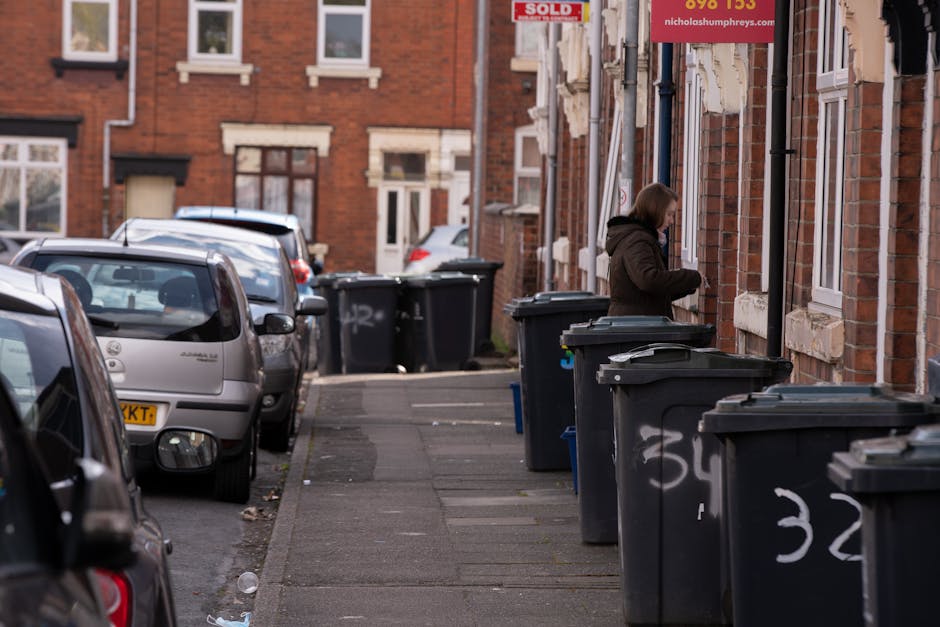
Insider tips to prevent delays in South London rubbish collection

If you have ever stood by the window watching a pile of bags, broken furniture, or renovation offcuts take over the hallway, you will know how quickly a small clearance job can become a big headache. The real issue is not always the rubbish itself. More often, delays happen because something small was missed: access was tighter than expected, items were not sorted properly, or the crew arrived to find the load was not quite ready. This guide shares insider tips to prevent delays in South London rubbish collection, so your booking runs smoothly from the first phone call to the final sweep-up.
Whether you are clearing a flat in a compact London flat, shifting out old furniture, handling business waste, or dealing with a messy garage after years of "I'll sort that later," a bit of preparation goes a long way. Truth be told, most delays are avoidable. And the good news? Avoiding them is usually simpler than people expect.
Below, you will find practical local advice, a step-by-step plan, common mistakes, and a few experienced shortcuts that can save hours. Let's get into it.
Why Insider tips to prevent delays in South London rubbish collection Matters
Delays do more than waste time. They can disrupt your whole day, create extra stress, and sometimes push a simple job into a second visit. In South London especially, where streets can be narrow, parking is limited, and access can change from one postcode to the next, the margin for error is pretty slim.
A delayed collection often leads to the same chain reaction: the crew cannot park safely, the load is not ready, items need separating, or the team has to wait while someone finds a key or clears a doorway. That is before you even get into traffic, school-run pinch points, loading restrictions, and building rules in blocks of flats. If you live or work around places like Battersea, Clapham, or Wimbledon, you already know that one small access issue can slow everything down.
There is also a trust factor here. When a collection runs late, people naturally wonder whether they planned badly or whether something has gone wrong. A clear plan reduces that uncertainty. It makes the whole experience feel calmer and more professional, which matters just as much as speed.
Expert summary: The fastest rubbish collections are rarely "fast" by luck. They are fast because the waste is easy to identify, easy to reach, easy to lift, and ready to go when the team arrives.
How Insider tips to prevent delays in South London rubbish collection Works
At its simplest, a collection works best when the job information is accurate and the waste is staged properly. The team needs to know what is being removed, how much there is, where it is located, and whether there are access limitations. That sounds obvious, but in real life people often underestimate one or more of those points.
Here is the practical flow. First, you describe the waste clearly. Then, the collection is scheduled around the expected load and access conditions. On the day, the team arrives, assesses the site, confirms the items, and begins loading. If the description was accurate, the job moves quickly. If it was not, the delay usually starts right there.
A simple example: a homeowner in Putney thinks they have "a few bags and a sofa." On arrival, the team finds garden waste, dismantled shelving, old paint tins, and a mattress hidden in the spare room. That is not a disaster, but it does change the time, equipment, and disposal plan. The lesson is not "say less." It is the opposite: say enough, and say it properly.
Good rubbish collection planning usually depends on four things:
- Accurate item descriptions so the right vehicle and crew are arranged.
- Clear access so loading starts immediately rather than after a scramble.
- Proper sorting so recyclable and non-recyclable waste do not slow each other down.
- Realistic timing so the collection fits your building, road, or business schedule.
This is also where related services can be useful. For bulkier loads, you may need rubbish removal, waste collection, or a more specific service such as furniture disposal. Choosing the right type of service reduces the back-and-forth that causes delays.
Key Benefits and Practical Advantages
Getting ahead of delays is not just about convenience. It has several practical benefits that show up very quickly once the job is underway.
- Less disruption at home or work. You are not living around sacks and clutter for longer than necessary.
- Lower chance of a second visit. A well-prepared load is more likely to be cleared in one go.
- Smoother access for crews. Good staging means less lifting through tight spaces and fewer awkward pauses.
- Better value for money. Time spent solving avoidable issues is time not spent clearing waste.
- Cleaner decision-making. Once the items are sorted, it is easier to decide what should be kept, removed, donated, or broken down.
There is a quiet benefit too: peace of mind. That might sound soft, but it matters. If you are already juggling a move, a refurbishment, or a business relocation, one thing less to worry about is worth a lot.
In busy parts of South West London, a clean handover matters as well. If a landlord, property manager, or shop manager is waiting on clearance, a delayed pickup can affect everything else that follows. For some jobs, it may make sense to look at dedicated options like office clearance, business waste, or home clearance rather than a generic collection. Matching the service to the job is one of the easiest insider wins.
Who This Is For and When It Makes Sense
This advice helps almost anyone arranging a waste pickup in South London, but it is especially useful if your property or project has any of the following:
- a shared entrance or stairwell
- limited parking outside
- items stored in a basement, loft, shed, or garage
- mixed waste from a clear-out or renovation
- time pressure from a move-out or end-of-tenancy deadline
- a business that needs things cleared outside trading hours
It also makes sense if the job has one awkward item that tends to slow things down. A sofa in a top-floor flat. A stack of builders' rubble. A broken treadmill that will not fit down the stairs. You know the sort of thing. These are the jobs where preparation is worth its weight in gold.
For example, sofa removal is usually straightforward, but only if the route is clear and the sofa has been measured against doors, lifts, and stair turns. The same applies to builders waste, where dust sheets, debris, and sharp materials can slow a crew down if they were not flagged beforehand.
Step-by-Step Guidance
- List every item that needs to go. Walk the property room by room. Do not rely on memory alone. Memory is a tricky little thing when you are rushed.
- Separate the waste by type. Keep general rubbish apart from furniture, electrical items, garden waste, and construction debris if possible.
- Check the access route. Measure doorways, note stair turns, identify lift size, and make sure hallways are clear.
- Think about parking and loading. If the vehicle will need to stop on a busy road, make sure the loading point is realistic.
- Flag anything awkward. Heavy wardrobes, fridge freezers, broken glass, paint tins, confidential paperwork, or bulky office items should be mentioned early.
- Prepare the items before collection day. Put them in one area if you can. Even a rough staging point is better than multiple rooms full of clutter.
- Keep keys, access codes, and permissions ready. This sounds tiny, but it saves more delays than people realise.
- Be available at the start of the collection. A five-minute delay at the door can become a twenty-minute delay on site.
If your clear-out covers multiple areas of the property, use the right service type. A garage full of old tools, paint, and forgotten boxes is not the same as a general household collection. That may point you towards garage clearance or rubbish clearance. Similarly, a garden pile of cuttings and broken pots is often better handled through garden clearance rather than mixed with indoor waste.
Expert Tips for Better Results
These are the kinds of small adjustments that experienced crews appreciate because they genuinely reduce friction on the day.
1. Send photos, but make them honest. A good set of photos can save a lot of time. Include wide shots and close-ups. If there is a problem access point, show that too. Half the trouble comes from vague descriptions like "a normal amount" or "just a bit of clutter."
2. Mention if waste is spread across levels. If items are in the loft, front garden, shed, and first-floor spare room, say so. One collection can still handle it, but the plan needs to reflect the reality.
3. Be realistic about what can be moved as-is. Some furniture may need dismantling. If it is a long wardrobe, an old bed frame, or a sectional sofa, that changes the loading time. With awkward pieces, a service such as furniture disposal can be the cleaner option.
4. Clear a temporary staging zone. Even a small patch near the entrance helps. The difference between "items are everywhere" and "items are in one corner" is bigger than it looks.
5. Keep mixed waste sensible. If you have a renovation job, do not bury rubble under household waste and assume it will all sort itself out. It won't. Builders' materials often need a separate approach, and that is one reason people choose builders waste services.
6. Work around local traffic patterns. Early mornings, school times, and end-of-day traffic can all affect timing in South London. If your road is a pain at 8:30, say so. The crew would rather know than guess.
7. If the job is sensitive, protect privacy first. Paperwork, old devices, files, and office materials should be bagged or boxed clearly. That is especially important for office clearance jobs where there may be confidential waste.
One small note: people sometimes overcomplicate this. They think they need a perfect system, colour-coded bags, the works. Not really. Clear, honest, and early communication beats perfection almost every time.
Common Mistakes to Avoid
Most delays come from a handful of predictable mistakes. If you avoid these, you are already ahead of the curve.
- Underestimating the load. "A few bags" can turn into a van-full before you know it.
- Hiding items in different rooms. If the crew has to hunt, time slips away.
- Ignoring access issues. Narrow stairs, locked gates, and parking restrictions matter a lot.
- Forgetting about bulky pieces. A sofa, mattress, or wardrobe changes the logistics.
- Mixing special waste with general rubbish. Some items need separate handling and disposal planning.
- Not being ready at the agreed time. It sounds basic, but it is one of the most common causes of a slow start.
There is also a subtle mistake people make with communication. They tell the provider what they think is relevant, instead of what is actually true. The truth is, the awkward bit is usually the bit that matters. If a staircase is tight or a cellar is damp and cramped, say it. That is not being difficult; that is being helpful.
Tools, Resources and Recommendations
You do not need fancy tools to prevent rubbish collection delays. What helps most is a simple, organised approach.
- A tape measure. Handy for furniture, doorways, and stair gaps.
- Bin bags or sturdy sacks. Use them to group lighter waste neatly.
- Marker pen. Great for labelling boxes, especially on larger jobs.
- Phone photos. Clear pictures make quotes and planning more accurate.
- A short room-by-room list. Keep it on paper or your phone so you do not miss anything.
If you are dealing with a broad property clear-out, waste removal, waste clearance, and waste disposal are useful terms to understand because they are not always identical in how the job is planned. "Removal" often feels broader and more collection-focused, while "disposal" places more emphasis on what happens after the load leaves the property. In practice, the best choice depends on your items and the level of support needed.
For local context, the area pages on the site can help you understand service coverage across South West London and beyond. If you are in South West London, or nearby neighbourhoods such as Streatham, Tooting, or Wandsworth, local knowledge can make a real difference to timing and access planning.
Law, Compliance, Standards, or Best Practice
When rubbish is being collected, there are a few common-sense compliance points worth keeping in mind. I will keep this plain, because the legal side can get noisy fast.
First, waste should be handled responsibly and taken to appropriate disposal or processing routes. Second, anything that could pose a safety risk - sharp materials, broken glass, heavy items, electricals, or contaminated waste - should be flagged in advance. Third, if you are clearing a business, you should be extra careful about records, confidential documents, and any waste that requires separate handling.
Good practice also means not leaving waste in a way that blocks shared access, causes a trip hazard, or breaches building rules. In flats, estates, and commercial buildings, managers may have their own access times, loading instructions, or waste storage arrangements. Follow those. It saves everyone hassle.
If you are not sure whether a certain item belongs with general rubbish, treat that uncertainty as a prompt to ask early rather than guess on the day. That is the safest and quickest route, honestly. For larger domestic projects, a service such as house clearance or home clearance may be more appropriate because it allows a broader plan instead of a one-size-fits-all pickup.
Options, Methods, or Comparison Table
If you are deciding how to handle a collection, this simple comparison may help. The right option depends on what you are clearing, how much there is, and how much prep you want to do yourself.
| Option | Best for | Potential delay risk | Good fit when... |
|---|---|---|---|
| Basic rubbish collection | Bagged household waste or smaller mixed loads | Low to moderate if access is clear | You already have items sorted and ready near the entrance |
| Rubbish removal | Bulkier or more varied loads | Moderate if items are spread around the property | You need a wider collection approach without micromanaging disposal details |
| Waste collection | General domestic or business waste | Moderate if the load is misdescribed | You want a practical pickup with straightforward staging |
| Waste removal / disposal | Loads that need clearer handling after pickup | Moderate if compliance or sorting is unclear | You want the waste dealt with properly and efficiently |
| Specialist service | Furniture, garden, office, builders, or garage waste | Lower when the job type is matched correctly | You have a specific waste type that benefits from a tailored plan |
The key takeaway is simple: the more specific the job, the less likely you are to hit avoidable delays. A specialist route is not always more complicated. Sometimes it is actually simpler.
Case Study or Real-World Example
A recent style of job we often see goes something like this. A tenant in a South London top-floor flat is moving out on Friday evening. The place has a sofa, a bed frame, a broken desk, a stack of cardboard boxes, and some mixed general rubbish. On paper, it sounds straightforward. In reality, the building has a narrow staircase, the lift is small, and parking outside is limited after mid-morning.
What made the collection run smoothly? Not luck. The client sent photos in advance, measured the sofa, and staged everything in one room near the front door. They also warned that the concierge would need to let the team in. The result was tidy, efficient, and fairly calm. A bit of dust, a couple of awkward corners, but nothing dramatic.
Now compare that with the version where the sofa is still in the bedroom, the bed frame has not been dismantled, and nobody knows where the key is. You can almost hear the pause at the front door. That is where delays begin.
For mixed household jobs, especially in flats, a service like flat clearance can be a much better fit than trying to force a generic pickup to do everything. If your collection is tied to moving day, that small choice can save a lot of stress.
Practical Checklist
- List every item that needs collection.
- Separate bulky furniture from lighter rubbish.
- Measure doors, stairs, lifts, and tight corners.
- Confirm parking or loading access.
- Tell the provider about any fragile, heavy, or awkward items.
- Stage the waste in one clear location if possible.
- Keep keys, codes, and site contact details ready.
- Check whether any items need specialist handling.
- Be available at the agreed arrival time.
- Double-check that nothing important has been left mixed into the waste.
If you are handling a one-off bulky item, it may help to think narrowly and choose a specific service such as sofa removal or furniture disposal. If the job is bigger, the broader planning approach above will serve you better. Either way, a few minutes of prep can save a lot of faff later.
Conclusion
Preventing delays in South London rubbish collection is mostly about clarity, timing, and a little local common sense. If the waste is described honestly, staged neatly, and matched to the right service, the job usually feels much easier than people expect. That is especially true in busier parts of the city, where access, parking, and building rules can turn a simple collection into a logistically awkward one very quickly.
The best insider tip? Do not leave the details until the day of collection. Confirm what is going, where it is, how it will be accessed, and whether anything needs special handling. That one habit solves a surprising amount of stress.
And if you are working through a clear-out in places like Balham, Streatham Hill, Earlsfield, or Richmond upon Thames, a bit of planning now can save a whole lot of running around later. Nice and simple, really.
Get a free quote today and see how much you can save.
Frequently Asked Questions
What causes the most delays in South London rubbish collection?
The biggest causes are usually poor access, inaccurate waste descriptions, mixed items that were not mentioned upfront, and the collection not being staged properly. Traffic and parking can add to the problem, but the planning issue is more often the main one.
How can I prepare my waste so collection is quicker?
Group items together, separate bulky pieces from loose rubbish, clear a route to the waste, and keep access details ready. If possible, send photos in advance so the crew knows what to expect.
Do I need to sort all rubbish into different piles?
Not always, but a sensible degree of sorting helps. Keep furniture, garden waste, builders' waste, and general rubbish separate where you can. It makes the collection smoother and reduces the chance of delays.
Will a small flat take longer to clear than a house?
Sometimes yes, because stairs, shared hallways, lifts, and parking can make a flat more awkward than a house. A smaller space is not always a quicker job if access is tight.
What should I tell the collection team before they arrive?
Tell them what items are being removed, where the waste is located, whether there are stairs or lifts, and if anything is especially heavy, fragile, or difficult to move. Clear information saves time.
Can bulky furniture delay a collection?
Yes, especially if it needs dismantling or if it has to be carried through narrow spaces. A sofa, wardrobe, or bed frame can slow things down if the route has not been checked.
Is there a difference between rubbish removal and waste collection?
In practice, the terms are often used similarly, but the best option depends on the job. Some collections are simple and specific, while others need a broader removal or clearance approach. The right service depends on the waste type and access conditions.
What if I live on a busy South London road with limited parking?
Tell the provider early. Busy roads, loading restrictions, and narrow streets can affect timing, so the plan should reflect that. In some cases, a different collection window is the easiest fix.
Do business waste collections need more planning?
Usually yes. Business waste often involves trading hours, shared entrances, office access, confidential material, and a need to avoid disruption. A bit more preparation often pays off.
How do I know if I need a specialist service?
If your waste is mostly one type of item - such as garden cuttings, office materials, a garage full of old tools, or construction debris - a specialist service is usually the better fit. It is often faster and more efficient than mixing everything together.
Can I reduce delays by choosing a different area-specific approach?
Yes. Local knowledge matters in South London because road layouts, parking, and building access vary a lot between neighbourhoods. Jobs in areas like Clapham, Putney, Wimbledon, and Battersea often benefit from that local awareness.
What is the simplest way to avoid a wasted trip?
Be honest about the load, make sure access is ready, and have someone available to meet the crew. That combination prevents most avoidable wasted trips. It really is that plain, most of the time.